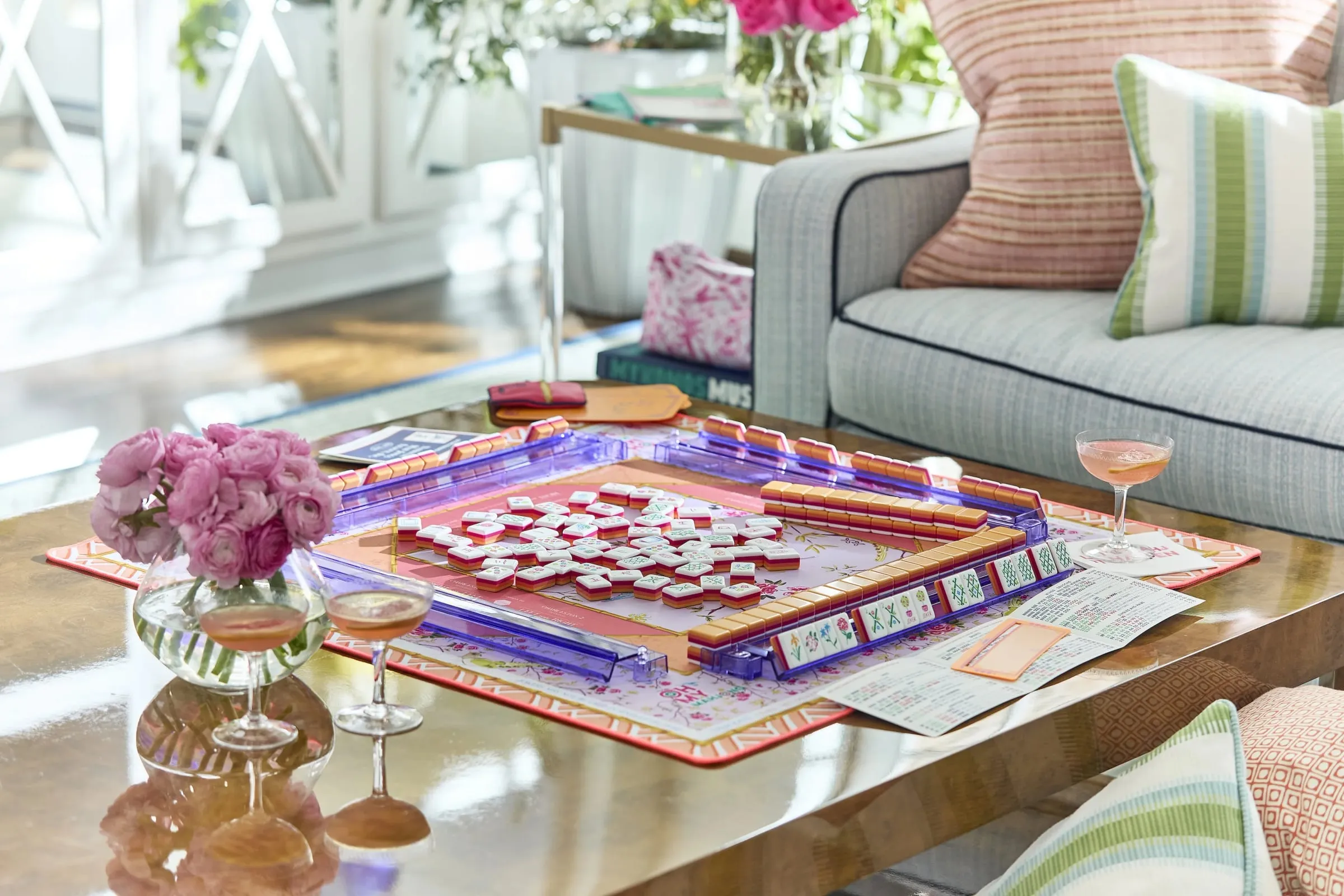
A game built for conversation
American mahjong is a tile game with an unhurried, sociable rhythm, with a warm tradition behind it. Here's what it actually is, how it feels to play, and why the people around the table matter as much as the tiles.
The basics
Four players, 152 tiles
American Mahjong is a four-player tile game played with 152 tiles, typically among women who gather in homes and clubs across the US. The American variant uses the National Mah Jongg League card and is played in rounds; a full game takes 90 minutes to two hours.
Each player builds a hand toward one of the combinations on the official card, drawing and discarding in turn until someone completes theirs. That's the shape of it. You don't need to memorize any of that before you play: your host introduces every piece in the flow of a real game.
The tiles
It starts with the click
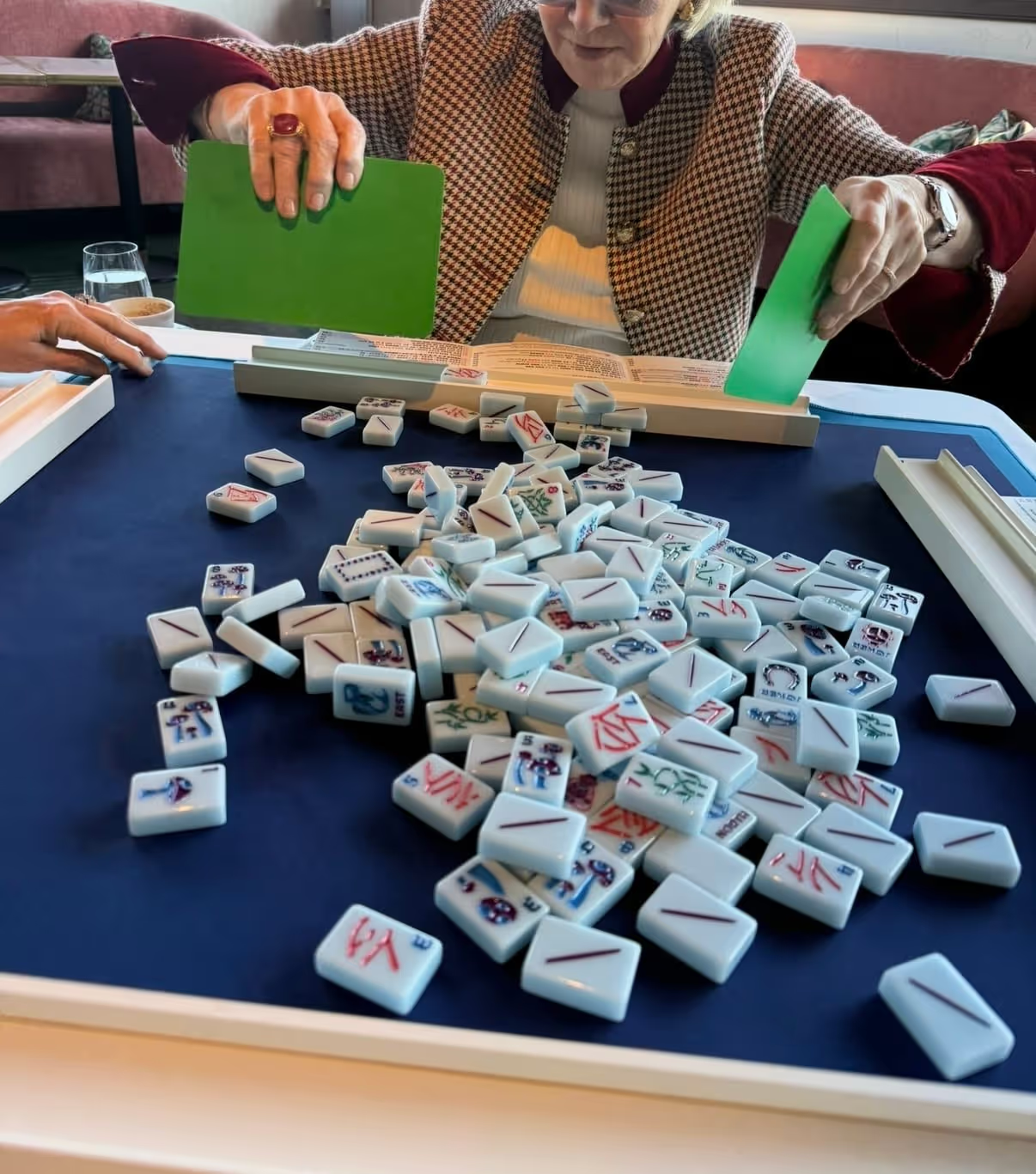
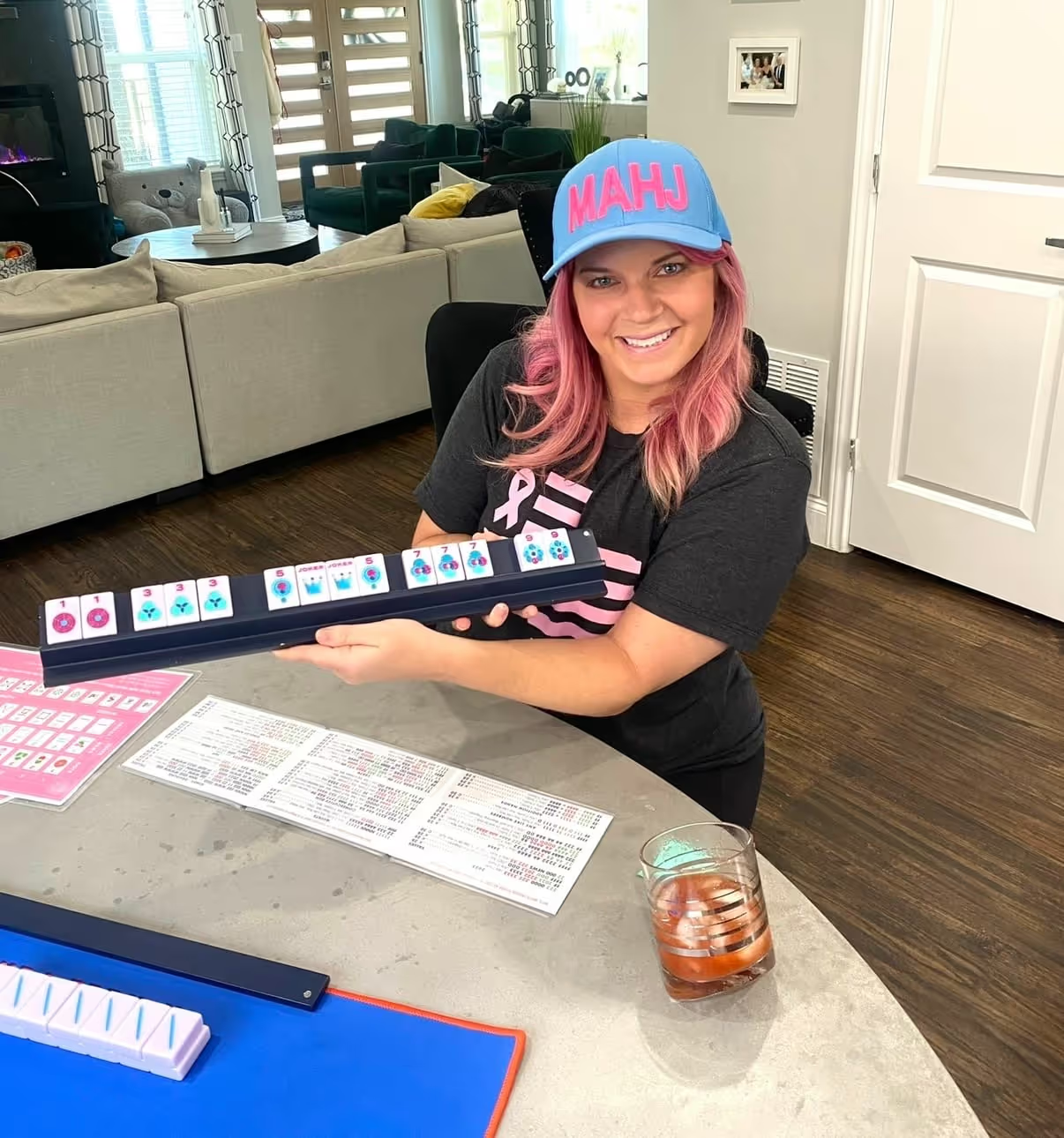
The sound of mahjong tiles is one of the most satisfying in any game: crisp, solid, a little ceremonial. They're weighty and smooth, and there's real pleasure in handling them before you've played a single hand. The ritual of washing the tiles (shuffling them face-down across the mat before each game) is unhurried and tactile, a moment for the table to settle in together.
The pace
Unhurried enough to actually talk
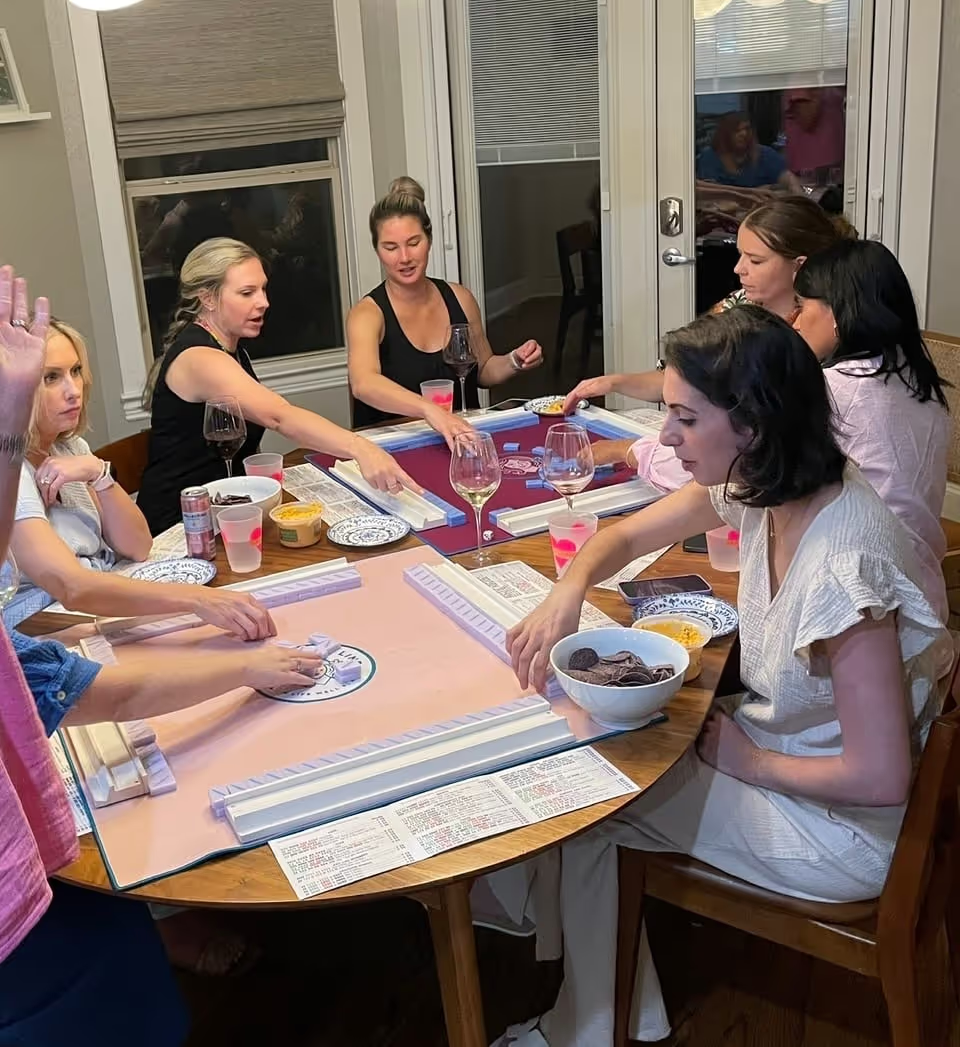
What makes mahjong ideal for an afternoon together is exactly what sets it apart from faster card games: there's breathing room. You draw a tile, consider your hand, decide, and in that space, conversation happens naturally. Nobody feels rushed. Nobody's left behind. The game moves at the pace of good company.
A warm tradition
A women-led tradition,
nearly a century deep
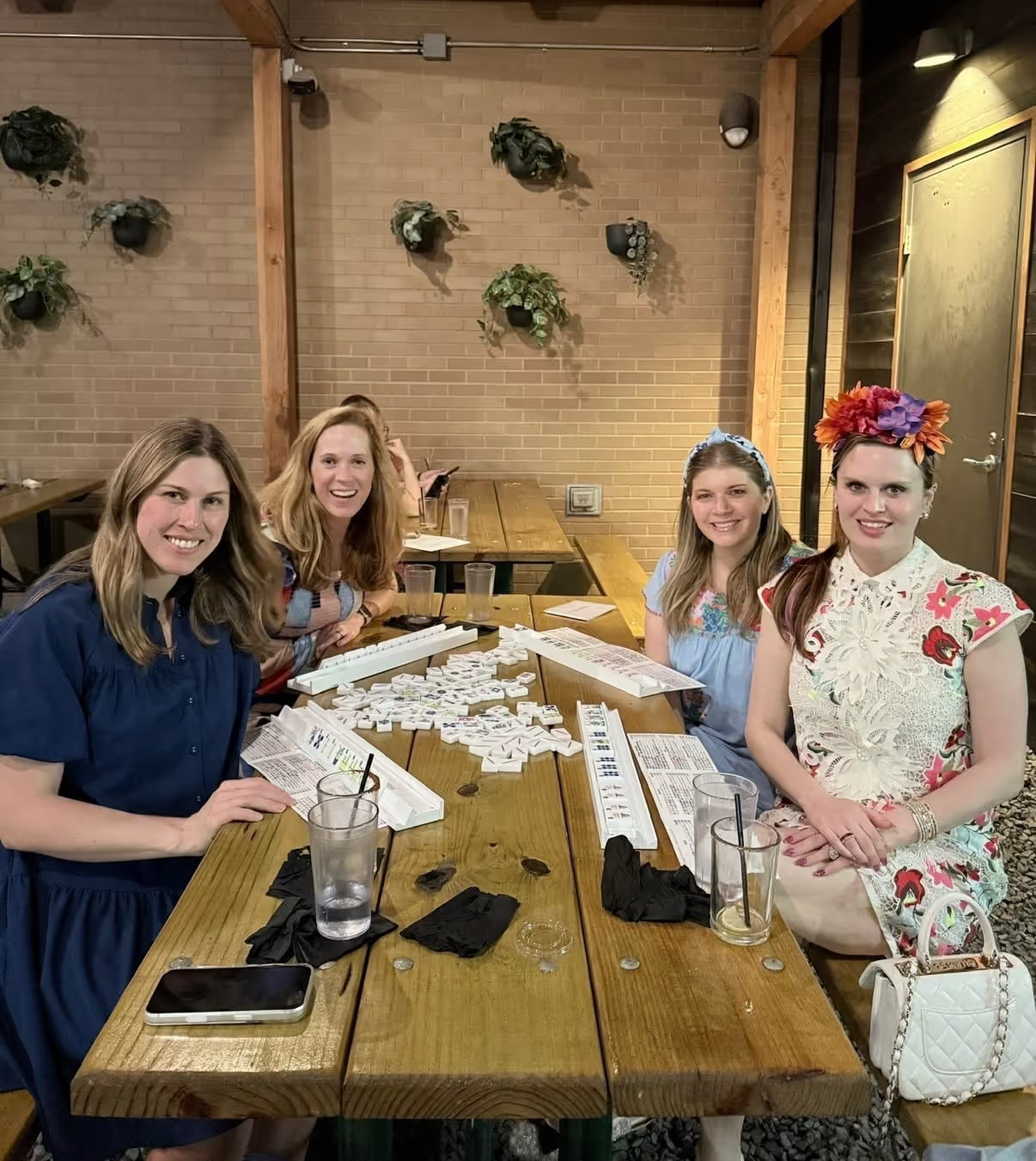
American mahjong took on its own character in the 1920s and '30s, and for generations it has been carried, above all, by women gathering regularly to play. The standardized card that shapes every modern game is published each year by the National Mah Jongg League, founded by women in 1937. When you sit down at a Mahjong Standard table, you're joining something with real roots: a game built around good company and the simple ritual of meeting up. You don't need to know any of that history to enjoy it, but it's part of why the game feels the way it does.
Wonderfully learnable
You’ll be playing within
the hour
The game has structure, and there are things to learn, but none of it needs to happen before you sit down. Your host introduces everything as it comes up, in context, in the flow of a real game. By the end of the first hand, most people have forgotten they didn't know how to play. That's not because we dumb it down: it's because we've found the right way in.
How long does it really take to learn? One afternoon. Most people are playing real hands inside the first hour; full comfort, hand after hand, usually lands by the second lesson.
The real point
The game is the reason,
but the people are the point
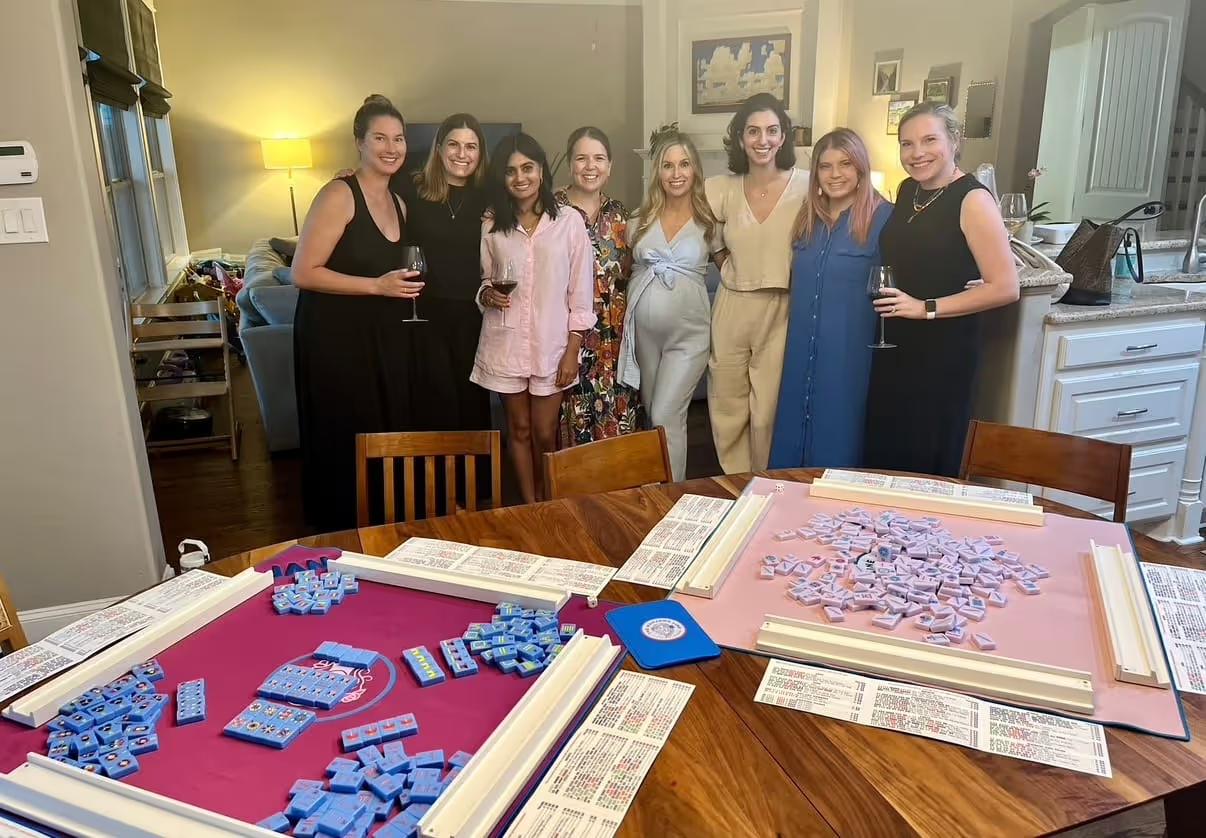
Here's the honest truth about mahjong: almost nobody keeps playing because of the tiles. They keep playing because of who's across the table. A recurring game is one of the easiest, warmest ways to build real friendship as an adult: a standing reason to gather, a shared thing to get better at together, a door into a circle of people you actually want to see again. That's what we're really teaching. The afternoon you book is where it starts.
Good to know
Common questions
What are the basic rules of American mahjong?
American mahjong is played by four people with a set of 152 tiles. On your turn you draw a tile and discard one, building your hand toward one of the set combinations printed on the National Mah Jongg League card, which is reissued every year. The first player to complete a hand that matches the card wins. You pick it all up fastest at a table, not from a rulebook.
How is American mahjong different from Chinese mahjong?
Both use similar tiles, but American mahjong is played to the National Mah Jongg League’s annual card, which lists the exact hands you’re allowed to make that year; Chinese mahjong has no such card. The American game also uses Joker tiles and opens with the Charleston, a round of passing tiles between players before play begins. It tends to feel more structured and sociable.
Is American mahjong hard to learn, and how long does it take?
It has a real learning curve, like any game worth playing, but it’s far more approachable than it looks and you don’t need to study first. Most beginners are drawing, discarding and playing full hands within the first hour, and the game clicks completely by the second or third time you play, especially learning at a table with someone guiding you.
Ready to hear the
click?
Book a lesson for your home and be playing within the hour. No experience, no equipment, no pressure.